Senate stopgap would extend TMF’s new project deadline
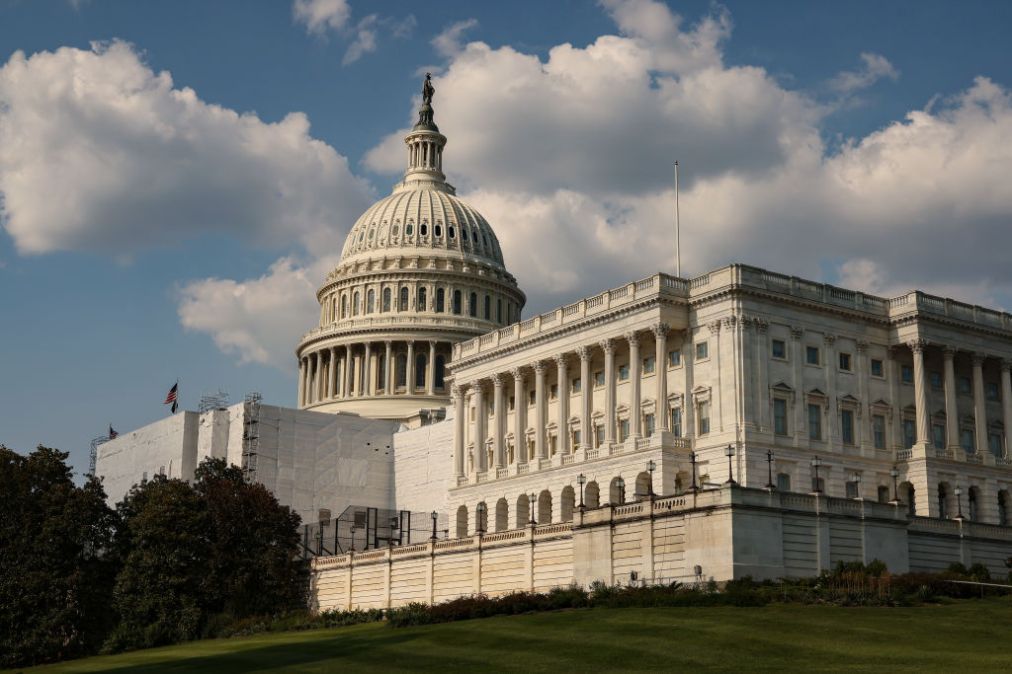
The Technology Modernization Fund would be able to finance new projects through Dec. 11 under a provision in a Senate bill to avoid a government shutdown this fall.
The current version of the fiscal 2027 Financial Services and General Government appropriations bill authorizes $5 million for the fund, and though the bill has not yet received a floor vote in either chamber, the TMF is prioritizing artificial intelligence and projects to support faster permitting with the money it has left.
But the Senate version of the continuing resolution, moving through a legislative vehicle (HR 6500), cleared its first hurdle Monday night with a motion to invoke cloture 89-4. While the chamber is set to continue consideration throughout the week, the House is out until the last day of the month, and its “clean” version stands in opposition to the Senate bill’s authorizing extensions like the TMF.
The TMF has faced uncertain funding cycles for years — a fact that some lawmakers and federal IT leaders have fought against. Jessie Posilkin, the fund’s acting director, has stumped for the program’s funding in recent months, noting that the latest call for proposals generated a “great response.”
“With more time, we could do even more — but we’ll meet as much of the agency need as we can, while we can,” Posilkin said in a LinkedIn post last month.
In early July, Posilkin said the General Services Administration’s fund had $200 million to spend, but that might not last as long as it used to because the “scale and scope of government technology challenges are only going up” due to AI.
“We are a country that continues to have really significant service delivery challenges, which is what the government should ultimately be providing. And when you have it set up that way, $200 million is actually quite the drop in the bucket,” she said.
While neither the House-passed version nor the pending Senate version of the stopgap changes the fund’s budget, the House version would still bar any new projects past Sept. 30.
“This measure gives Congress the time we need to continue our work on bipartisan appropriations bills, which are always my strong preference for handling annual government funding,” Senate Appropriations Committee Chair Sen. Susan Collins, R-Maine, said in a statement.
The bill would also extend the authorities of two cybersecurity laws until Dec. 11. The Cybersecurity Information Sharing Act of 2015 and the Federal Cybersecurity Enhancement Act of 2015 enable public-private collaboration on cyber threat data and the deployment of cyber intrusion detection tools across the government.
“This new CR that we have written includes some really important extensions and language that House Republicans did not,” Sen. Patty Murray, D-Wash., vice chair of the Senate Appropriations Committee, said on the Senate floor Monday night. “We do have a lot of work ahead, and this CR provides us a reasonable runway to get it done.”