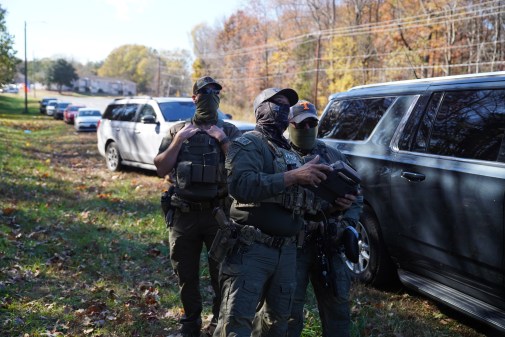
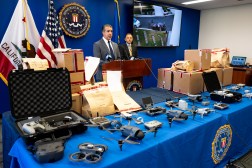
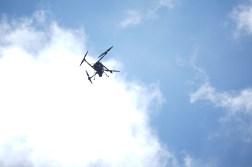
NNSA, counter-drone task force create framework for data sharing
The National Nuclear Security Administration is expanding its partnership with the Department of Defense-led Joint Interagency Task Force 401, the agency said Tuesday.
NNSA and the counter-drone-focused task force signed a memorandum of understanding to “strengthen collaboration and information sharing,” per a press release posted by the nuclear agency.
As part of the deal, the two entities created a framework for sharing counter-UAS test data and research in an effort to better understand evolving threats, reduce duplicative efforts and accelerate the deployment of drone defense capabilities.
“Protecting NNSA’s laboratories, plants, and sites from evolving threats is critical to our national security mission,” NNSA Administrator Brandon Williams said in a statement. “This agreement strengthens our partnership with JIATF-401 and helps ensure we are moving quickly to put the best capabilities in the field.”
NNSA sees its counter-drone program as a key layer of its security posture. The Federal Aviation Administration has designated NNSA facilities as “no drone zones,” meaning unauthorized operators violate federal law if they fly a drone over or near an NNSA facility.
The nuclear agency is authorized to neutralize threats in controlled airspace, which includes disabling, destroying and taking control of unauthorized drones.
NNSA’s expanded partnership comes just over one year after JIATF 401 was formed. Over the past year, the task force has conducted technology tests, streamlined safety standards, beefed up its arsenal and eased coordination across the federal government.
An NNSA spokesperson told FedScoop the recently signed memorandum strengthens the “whole-of-government approach to countering drone threats” that is taking shape.
“NNSA does encounter unauthorized drone activity near its facilities,” the NNSA spokesperson said. “We continuously monitor our controlled airspace and coordinate with appropriate law enforcement and national security partners to assess and respond to unauthorized activity.”
“For security reasons,” the spokesperson added, “we do not provide details regarding specific incidents or the frequency or locations of incursions.”