DHS plans $440M governmentwide investment in biometric capture devices
The Department of Homeland Security is leading the federal government’s plan to bolster its biometric capture device inventory, per procurement documents published this week.
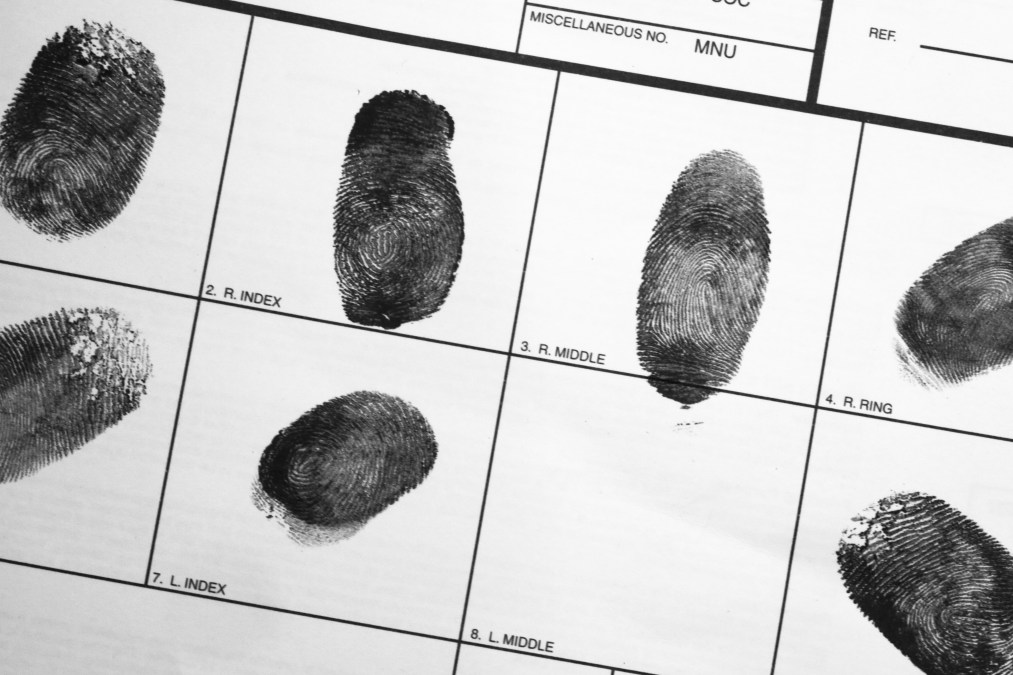
With a combined ceiling of more than $440 million, the government plans to award a minimum of three indefinite delivery, indefinite quantity contracts for each of its identified tracks: fingerprint, face, iris, palm and multimodal. Most of that pool is tabbed for multimodal devices, and the smallest portion of the total is set aside for iris devices.
The forthcoming awards represent a significant change in the federal government’s procurement of biometric devices, which use scanning technology to identify individuals based on physical or behavioral traits.
“Historically, DHS Components and other federal agencies have acquired biometric capture devices through individual, one-time procurements using a variety of contracting vehicles,” the agency said in its statement of work.
The previous approach resulted in “fragmented purchasing, inconsistent standards and limited economies of scale,” per the documents. DHS, home of the Office of Biometric Identity Management, is changing that status quo by streamlining the procurement process under the governmentwide IDIQ model.
Reduced administrative overhead, minimized management costs and decreased duplicative efforts were among the benefits DHS cited. Standardized devices can also ease integration with existing biometric systems and databases, per the agency.
“This Government-wide, Multiple-Award Indefinite-Delivery, Indefinite-Quantity (IDIQ) contract is established to provide the Department of Homeland Security (DHS) and its Components and other federal agencies with biometric capture devices and peripheral equipment to use in their respective missions,” the law enforcement agency said in its combined synopsis and solicitation notice.
The official request for proposals comes just one day after DHS teased the contracting opportunity via an acquisition planning document. The scope of the project is much larger than initially expected given that the planning document didn’t outline the whole-of-government approach and had an estimated dollar range of $100 million-plus.
Contractors hoping to win a slice of the massive contract will be evaluated on the availability of their devices and technical approval. Potential awardees will also need to have pricing that “is determined fair and reasonable” and provide supporting documentation. Proposals are due by Sept. 18 and awards are expected later this month.
The latest investment in biometric technologies follows increasing focus on the tools.
DHS has recently worked to address the shortfalls and improve the utility of biometric identity verification for its deployments across border checkpoints and airports. The agency has already invested millions this year on iris recognition tools, databases of facial images and mobile apps to capture biometric data.
The FBI has taken a similar approach, funding AI-powered biometric and facial recognition capabilities. Earlier this summer, the Department of Justice unit said it was looking for an algorithm that could handle a database consisting of more than 1 billion records. The agency’s U.S. Marshals Service has also leaned into the burgeoning technology.
As biometrics take a starring role in modern law enforcement operations, privacy experts and lawmakers have voiced concerns, advocating for tighter limits and more oversight.