SSA has outreach to do for its foster care data exchange, GAO says
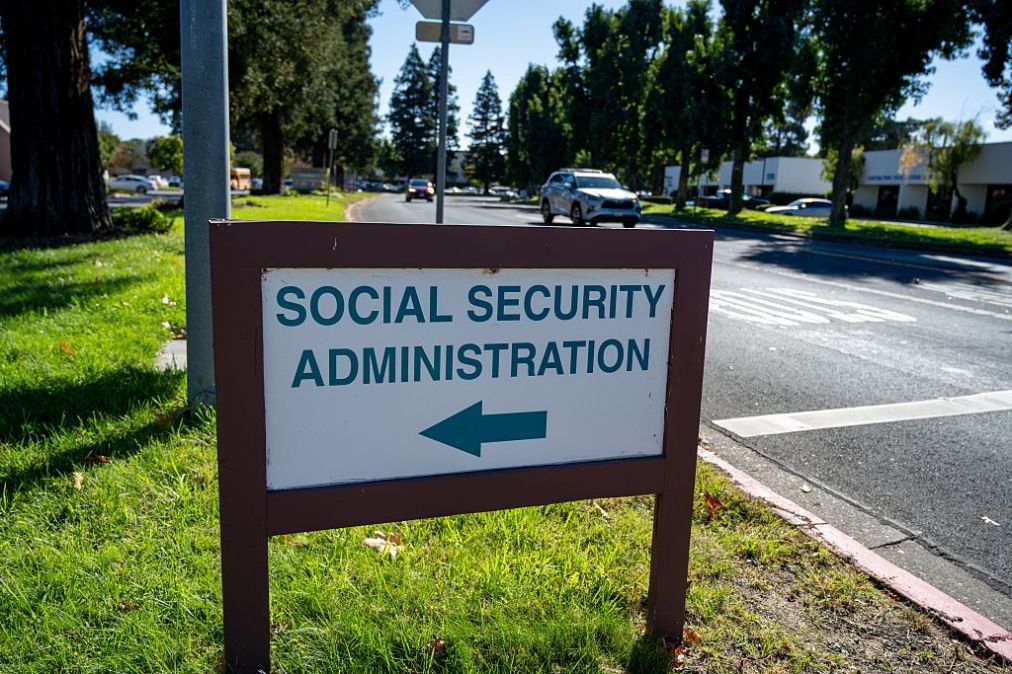
The Social Security Administration’s data exchange to keep tabs on foster care beneficiaries has plateaued in usage, according to a new report that chided the agency for “missing opportunities” to expand the platform’s reach.
The Government Accountability Office found that 25 states were submitting data on children in foster care as of July 2026 — but no new states have gotten on board since 2024.
State data submitted to SSA notifies the agency of changes in the status of children in foster care, including when they enter or exit a specific home and whether the agency may need to appoint a new representative to manage a child’s benefits.
Payees managed more than $270 million in Social Security benefits — including food, clothing, medical care and shelter — for roughly 44,000 children in foster care in fiscal 2025.
Enacted in 2018, the Strengthening Protections for Social Security Beneficiaries Act required SSA to keep tabs on state-level management of foster care programs and spur data-sharing between the agency and payees.
“According to our review of SSA data, states have generally submitted their monthly data files to SSA as expected,” the GAO wrote. “Specifically, SSA data from April 2019 (when the first state began submitting data) through September 2025 show that states participating in the data exchanges submitted 95 percent of their monthly data files.”
Getting over that 25-state hump has been a challenge, however, which the watchdog attributed to two main factors.
First, states face various system and resource barriers that prevent adoption. The GAO spoke with officials in four states that cited issues with IT systems, decentralized data, and staff shortages.
“Officials from two other states said they ended their agreements with SSA in 2024 because they had limited staff and funds and needed to prioritize other updates to their child welfare IT systems,” the report said.
Second, the GAO identified “awareness barriers” that seemingly capped participation in the data exchanges. One state official told the watchdog that they couldn’t remember when SSA had last reached out or shared information about technical requirements. Another said SSA had never mentioned the foster care data platform to them.
“Given that the number of states submitting data has leveled off since fiscal year 2024 and officials we interviewed from four states were unfamiliar with the data exchanges’ existence or its requirements, SSA’s outreach efforts may no longer be effective,” the GAO stated.
Some of the “missing opportunities” the GAO saw to drive up usage of the data exchange included creating a plan to formalize outreach to states and using other “successful strategies” for data-gathering.
The watchdog also criticized the SSA for not seeking input from field offices on how to improve data alerts from participating states. “Cumbersome IT systems” were also flagged as a problem to be addressed.
“Staff at one field office said that it can take several years to learn how to adeptly use the IT systems they need to address the alerts,” the GAO said. “Further, staff at another field office said within one IT system, they need to click through multiple screens to identify the issue and the action needed to address each alert, which can be time consuming.”
The watchdog delivered seven recommendations to the SSA, including strategic plans for state outreach, better communication with field offices, revisiting timelines for closing foster care alerts, and more. SSA’s chief risk officer agreed with all of the recommendations.