VA’s EHRM oversight holes must be addressed, House Republican says
The Department of Veterans Affairs is getting nudged for an update on unresolved Office of Inspector General electronic health record modernization recommendations amid the program’s speedy rollout.
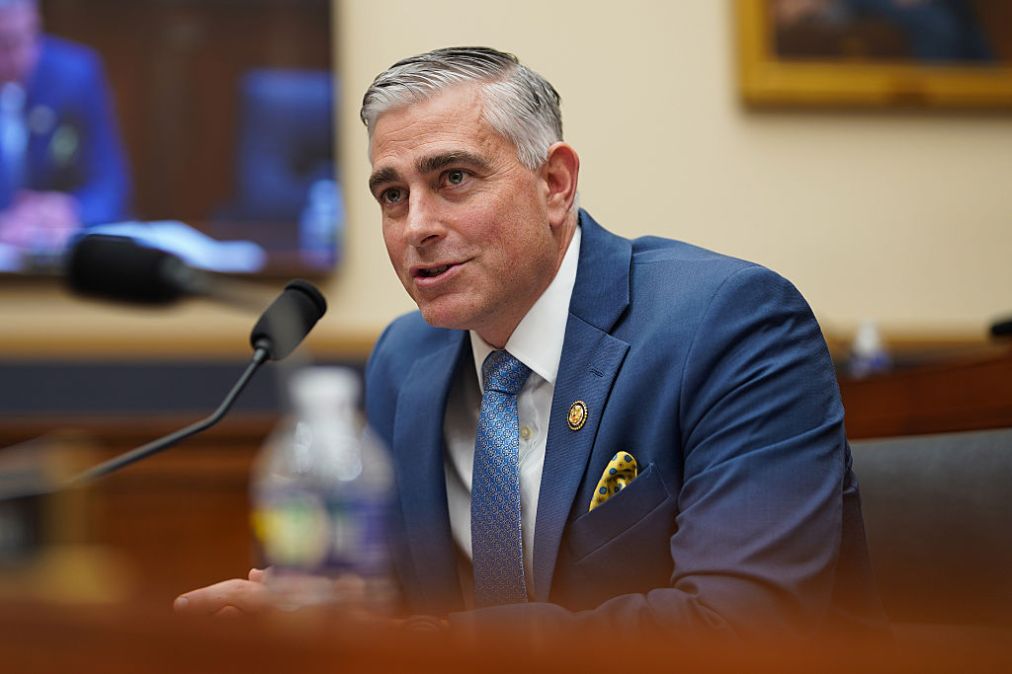
In a letter sent to VA Secretary Doug Collins last week, Rep. Michael Baumgartner, R-Wash., asked for the agency’s timeline for addressing open recommendations from 2022 to 2025.
“As the VA continues to accelerate deployments to additional medical centers, it is important that these longstanding oversight concerns are addressed to ensure the success, transparency, and accountability of the modernization effort,” Baumgartner said in the letter.
The open recommendations include assessing major performance incident data needs and contractually committing to real-time data sharing, improving stakeholder coordination in program development schedules, and ensuring records from the Joint Longitudinal Viewer are uploaded into the EHR. The OIG also recommended developing effective notification and resolution metrics that consistently capture results for all major performance incidents, regardless of the owner, and urged the VA to enforce them.
Baumgartner further asked Collins for the VA’s plans to resolve recommendations that were closed as “not implemented,” though none of the reports mentioned in the letter contain any recommendations deemed as such.
“I would also appreciate an update on what specific actions the VA is taking to ensure these outstanding issues do not adversely affect future EHR deployments,” he said.
Modernization of the EHR began in 2017 under the first Trump administration, but the VA halted the rollout in 2023 to renegotiate its contract with the vendor Oracle Cerner and resolve safety concerns.
In response to the letter, VA spokesperson Quinn Slaven said the Biden administration let the program sit “dormant” for two years but has since made progress.
Slaven said there have been no outages in the past year and the first six sites using EHR are “meeting or exceeding pre‑go‑live productivity metrics.” In addition, more than 29,000 clinicians and front-line staff are using EHR systems, serving 515,000 veterans, he said.
Also last week, the VA provided an update on its artificial intelligence bot ChatEHR, which has been used since at least April and has answered more than 53,000 questions from over 8,000 users about EHR.
“My biggest problem right now is I have executive directors calling me up and saying, ‘can we move up on the list?’” Collins told the House Appropriations Subcommittee on Military Construction, Veterans Affairs and Related Agencies in a May budget hearing. “This is key for them, not only to do their work internally, but also their community care aspects and talking to other VA hospitals.”
While not included in the continuing resolution passed by the Senate over the weekend, the House-passed fiscal 2027 Military Construction and Veterans Affairs appropriations bill would give $3.4 billion for EHRM.
The VA plans to have 19 sites updated by the end of this year, with 26 new sites expected next year and 28 VA Medical Centers in 2028, an “aggressive timeline” to complete deployment at all sites by as early as 2031, a budget request said.
This story was updated to correct the appropriated funds figure for the EHRM in fiscal 2027.