Government contractors must alert White House of congressional requests, order says
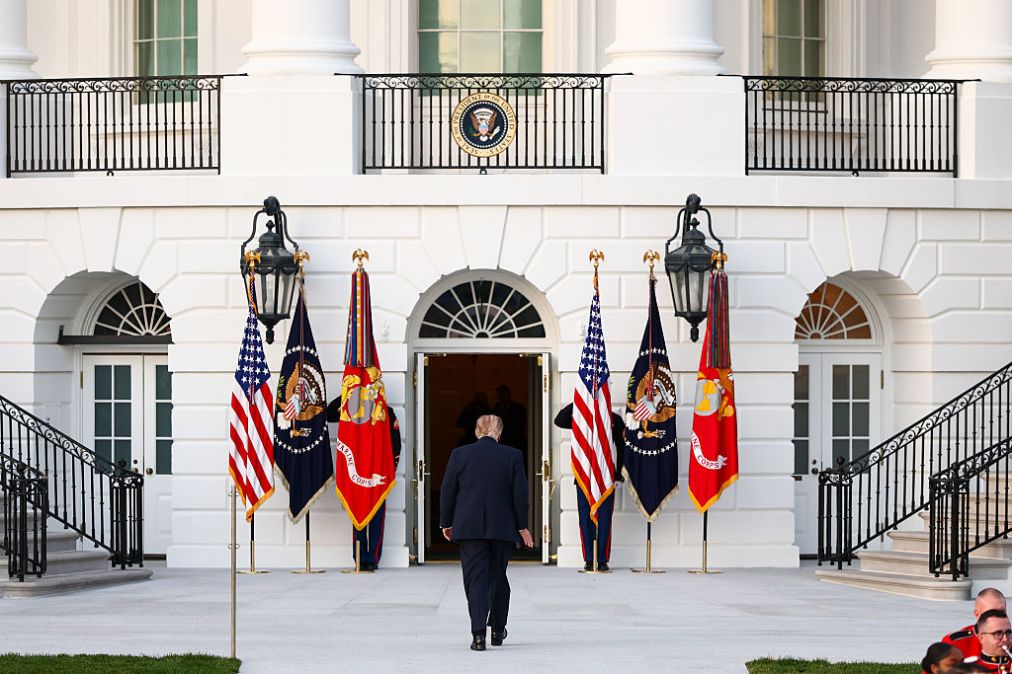
Government contractors must notify the White House of congressional requests and follow its instructions or face possible debarment and contract termination, a Friday executive order said.
Citing “executive privilege,” the order said its purpose is to protect confidential information from “unauthorized disclosure, including to members of Congress” due to congressional threats and “harassing” of private companies.
“In order to protect and serve the American people, the executive branch must be able to work closely with its employees and contractors on sensitive matters without fear that confidential information will be released to unauthorized third parties,” it said.
Contractors and subcontractors must notify both the White House and the contracting agency of the congressional request and “abide by any instructions” about information to withhold. Agencies must coordinate with the White House and contractors in response to the request.
If contractors fail to comply with the order, “the executive branch may be required to intervene or engage in separate litigation to defend its rights,” it said. Contractors may be unaware of the executive branch’s “interests and positions” and may duplicate work, it said.
“If the executive branch cannot be assured that those communications will remain confidential, agencies and the White House will be chilled from sharing sensitive information with contractors, which will stymie the operation of critical Government programs,” the order said.
Further, a reduction in sharing information will “substantially reduce the efficiency” of contractors, so the executive branch will have to “find alternative means of carrying out similar functions, reducing and even eliminating reliance on Federal contractors for certain purposes,” it said.
The order said contracting agencies may also terminate or cancel contracts, or debar and suspend contractors.
Jessica Tillipman, associate dean for Government Procurement Law Studies at George Washington University, said the actual “chilling effect” that may deter companies from contracting with the government already started with the so-called Department of Government Efficiency, and this order further compounds it.
“This is clearly unconstitutional,” she told FedScoop. “It’s clearly legally vulnerable, clearly legally problematic, and clearly raises significant constitutional concerns.”
Whistleblower law doesn’t apply here, Tillipman wrote on X, saying that while it protects against reprisal for disclosing misconduct to Congress, it doesn’t “protect contractors from termination or debarment for complying with a congressional oversight request.”
With the 120th Congress just weeks away, assumed House Oversight Committee Chair Robert Garcia, D-Calif., has said to “Lawyer up.” Tillipman said Democrats have a laundry list of oversight priorities come January, but “it all hinges on an executive branch that is willing to follow the law.”
“If you have an executive branch who believes it doesn’t have to follow the will of Congress repeatedly, and in ways that many people would argue is illegal, then that’s a bigger problem,” she said. “This is part of how the system works, and so you don’t get a blank check without accountability, and accountability is coming.”
The order comes on the heels of testimony from government contractor Oracle’s executives before the House and Senate Veterans’ Affairs Committees last week, and ahead of President Donald Trump ally Larry Ellison’s Dec. 10 testimony about the Department of Veterans Affairs’ electronic health record modernization effort.
Garcia said the order is a “blatant attack on Congress’ constitutional right to conduct oversight.”
“What is the White House trying to hide?” he said in the statement.