GAO to monitor government AI use, hire AI experts in coming years
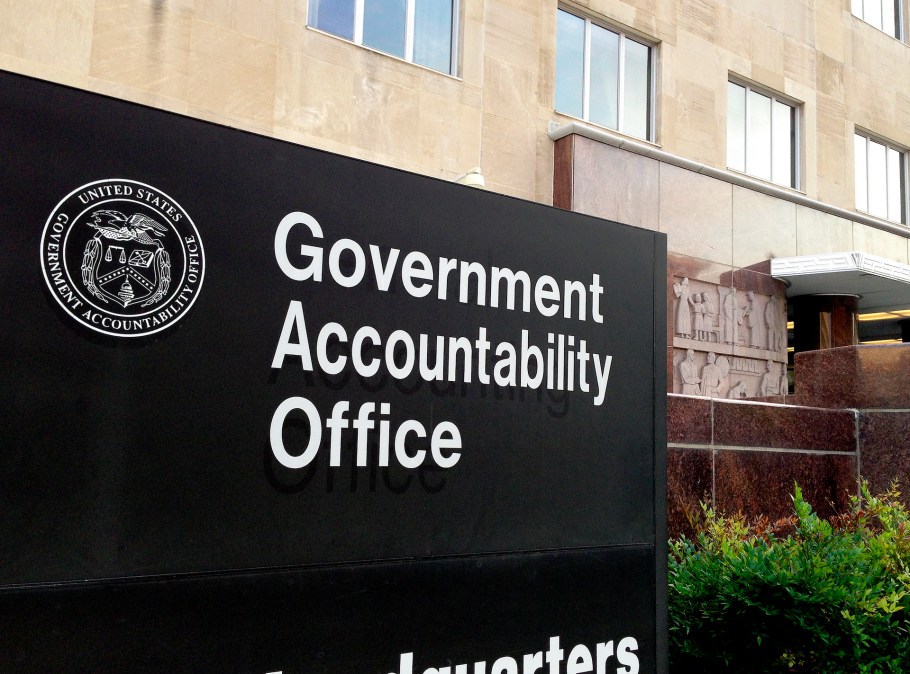
The Government Accountability Office is making the oversight of artificial intelligence and emerging technologies over the next five years a priority, according to its strategic plan released Friday.
As Congress’ watchdog over the federal government, the GAO said in its 2027-2032 plan that it seeks to help the House and Senate “anticipate emerging science and technology trends, opportunities, and risks, including artificial intelligence,” and “monitor federal efforts to ensure the nation’s security from cyberattacks and other threats.”
“We must be agile as congressional needs and priorities rapidly change and federal agencies reimagine how they carry out their missions using emerging technology,” acting U.S. Comptroller General Orice Williams Brown wrote in the report.
The GAO predicts “emerging technology will reshape jobs and employment.”
“Digital systems both generate and consume vast amounts of data, raising policy questions about responsible use, privacy, and security,” the report said. “Innovations in technology and science, increasingly driven by artificial intelligence, will continue to affect every policy area.”
One of the office’s strategic goals seeks to focus on how the federal government addresses the “national security implications of artificial intelligence, including risks posed by adversarial use, autonomous systems, and the integrity of artificial intelligence-enabled decision-making.”
The GAO seeks to relay the policy implications of “emerging science and technology issues through technology assessments,” appraise federal cybersecurity efforts and evaluate federal IT acquisitions. The office will also monitor “emerging technology adoption” and the “results of federal investment in science and technology.”
One goal is to “assess the use and oversight of artificial intelligence, including evaluating associated risks, international competitiveness, and the effectiveness of artificial intelligence policy and regulatory frameworks governing its deployment.”
GAO will modernize its own office, particularly by streamlining hiring for “specialty areas such as data science, artificial intelligence, cybersecurity, and emerging technologies,” as well as providing learning opportunities to develop AI skills and readiness; all of this and more to make its work “more responsive” to Congress, the report said.
“Outdated management structures, fragmentation, skills gaps, and uneven use of technology can make government less efficient,” the report said about the federal government at large.
Earlier this month, Jennifer Franks, director of the GAO’s Center for Enhanced Cybersecurity, said the office needs upskilling and adaptability to keep pace with AI-related threats. Franks said “continuously investing in our staff and our resources” will help ensure that the congressional watchdog is able to maintain its oversight mission and protect its audit evidence.
The nonpartisan, independent agency has also been hit hard by departures in its IT unit, a development that Franks acknowledged during a March event.
“We’re continuing to push forward on modernizing our internal IT environment to better support our staff so that we can deliver work for Congress and meet performance goals,” Franks told FedScoop at the time. “These efforts haven’t stopped just because resources are tight—it has just required us to be more thoughtful and strategic in how we move and prioritize.”