FAA blames telecommunications issue for nationwide ground stop
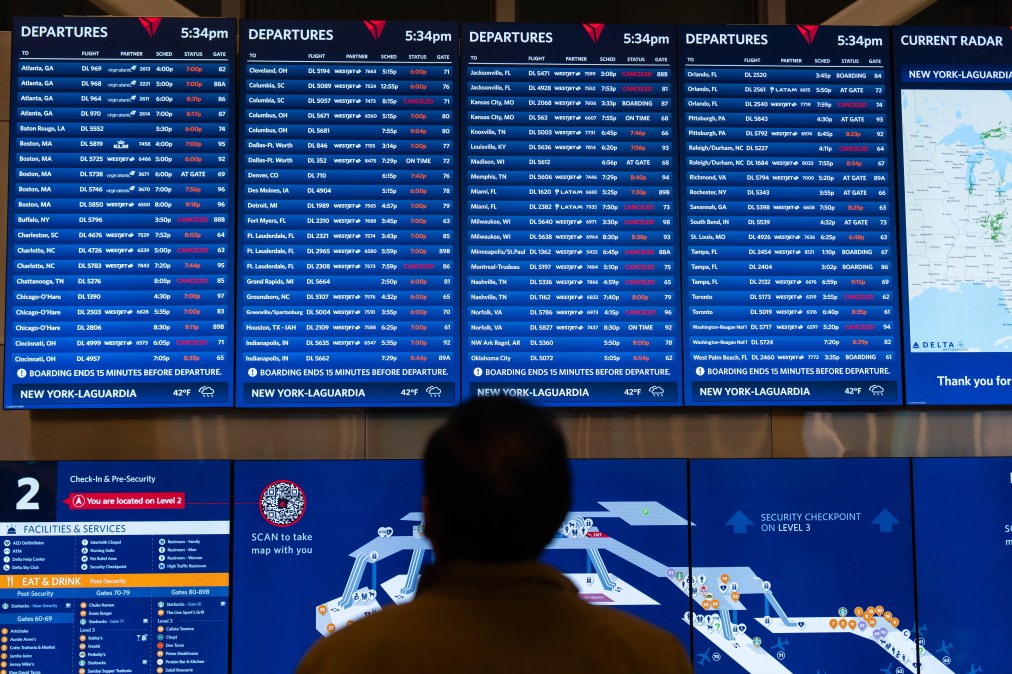
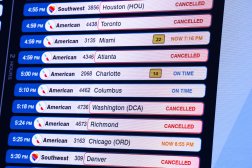
The Federal Aviation Administration issued a nationwide ground stop for all U.S. airports Friday, the second time the agency has taken such a step since Sept. 11, 2001.
“There has been a temporary telecommunications outage — out of an abundance of caution all flights have been halted,” the FAA said in a social media post. “Every flight has been accounted for and international flights will be handled on a case by case basis.”
In a statement provided to FedScoop, an FAA spokesperson said the communication issues were impacting multiple Air Route Traffic Control Centers. FAA technicians are investigating the issue, per the spokesperson.
Department of Homeland Security Secretary Markwayne Mullin told reporters that planes were grounded “out of an abundance of caution” and there is “no indication of a nefarious attack.”
The telecommunications issue comes amid massive changes to the FAA’s tech stack.
Earlier this week, the FAA announced it would be expanding its SMART system — which stands for Strategic Management of Airspace, Routes and Trajectories — across the country after “a successful initial rollout” in the National Capital Region. Since Sept. 21, the FAA said the system had helped reroute 180 flights, saving an average of 10 minutes per flight and an average of nearly 80 gallons of fuel per flight.
The system hasn’t been welcomed by all. House Democrats pushed the FAA to pause the rollout in October, requesting information about pre-deployment testing, stakeholder consultation and oversight. The members of Congress characterized the tool’s rollout as “rush[ed]” and said it was launched “surprisingly” and “recklessly.” In letters to Department of Transportation leaders, they also highlighted reported concerns about the tool from aviation workers and the airline industry.
The AI tool is just one part of the FAA’s tech overhaul. The DOT unit has also begun digitizing flight strips, upgrading analog communications, phasing out floppy disks and overhauling other legacy workflows. The efforts are part of a $12.5 billion plan to address a laundry list of technology woes that have plagued the agency for years.
DOT officials have advocated for more funding, especially as incidents that have underlined the need for redundancy and modernization have occurred.
In September, for example, a construction crew accidentally cut into a fiber line in New Jersey, causing a telecommunications outage. As a result, the FAA suspended flights across the Northeast.